
In the world of mobile entertainment, developers are no longer just creating apps that deliver a straightforward experience. Instead, they’re crafting immersive experiences that draw users in and keep them coming back for more. To achieve this, many are turning to interactive storytelling techniques – a combination of engaging narratives and dynamic gameplay elements that put the user in the driver’s seat.
Understanding Interactive Storytelling
So, what exactly is interactive storytelling? At its core, it’s a fusion of traditional narrative structures with real-time user input. Think multiple-choice decisions, action-based challenges, and the thrill of not knowing how your choices will affect the story. It’s a powerful way to encourage user agency and create a sense of ownership within the narrative. But to get it right, developers need to strike a delicate balance between narrative, gameplay, and pacing.
Key Principles of Interactive Storytelling
- Pacing Control: This is all about varying the speed at which the narrative unfolds, responding to the user’s input and creating a sense of momentum.
- Branching Narratives: Imagine being able to explore multiple story paths, each one responding to your choices and creating a unique experience.
- Player Choice Impact: This is where the magic happens – allowing your decisions to have lasting effects on the narrative and making you feel like you’re truly part of the story.
- Immersive World-Building: Creating an atmosphere and setting that draws you in and refuses to let go – whether it’s a fantasy world or a gritty urban landscape.
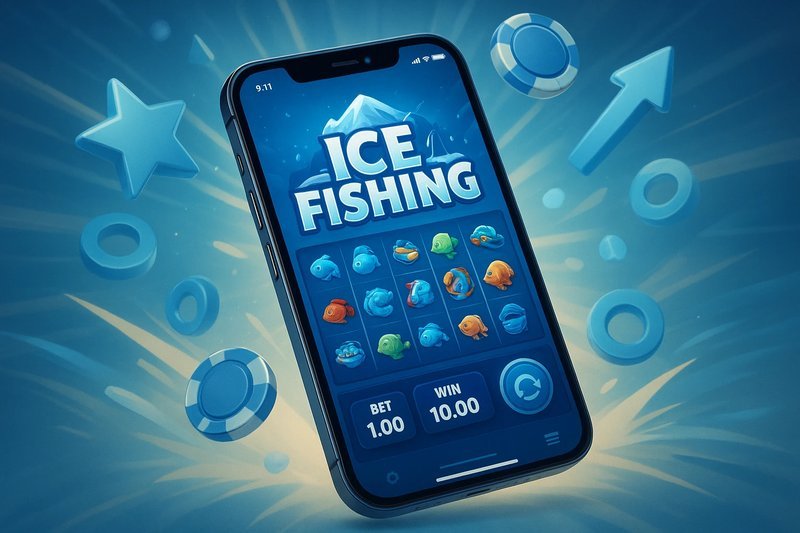
Check out Ice Fishing Game.
Implementing Interactive Storytelling in Mobile Apps
So, how do developers bring interactive storytelling to life in their apps? The answer lies in a range of tools and frameworks, from custom-built coding solutions to game engines like Unity or Unreal Engine. And for those who don’t want to start from scratch, there are pre-built interactive storytelling templates available.
When crafting an interactive story, it’s essential to consider the emotional connection you want to create with the user. This means incorporating relatable characters, authentic settings, and meaningful player choices that make you feel invested in the outcome.
Real-World Applications and Connection to Online Gaming
Interactive storytelling isn’t just limited to mobile entertainment apps. Its impact can be seen in other areas of digital entertainment, such as online gaming. Take the Ice Fishing Game, for example, which offers players a chance to experience immersive narratives and interactive challenges in a digital fishing simulation environment. By experimenting with these techniques, app developers can create more engaging experiences that captivate users and encourage repeat visits.
Common Mistakes to Avoid
One common pitfall developers fall into when implementing interactive storytelling is neglecting the pacing and flow of the narrative. This can result in a disjointed experience that alienates users. To avoid this, developers should carefully balance narrative and gameplay elements to create a cohesive and engaging experience.
By following these principles and implementing interactive storytelling techniques effectively, developers can create immersive mobile entertainment experiences that captivate users and foster a sense of engagement and community.
