
Ice fishing is a popular pastime in Canada, and for good reason – the thrill of reeling in a prized catch amidst the frozen wilderness is a unique experience like no other. However, Canadians looking to try their hand at ice fishing often face a daunting challenge: preparing for the harsh winter conditions that come with it. From extreme cold to treacherous ice, players must be equipped with the right gear and knowledge to survive the Canadian winter. Without proper preparation, a trip to the ice can quickly turn into a disappointing experience. For those seeking a comprehensive guide to ice fishing in Canada, icefishinggame.ca offers a wealth of information on how to get started.
The Challenge: Preparing for Harsh Canadian Weather Conditions
Ice fishing can be a thrilling experience, but Canada’s harsh winter conditions can be unforgiving. Players need to be equipped with the right gear and knowledge to survive the cold. A lack of preparation can lead to a disappointing experience. In fact, a study by the Canadian Institute for Health Research found that hypothermia and frostbite are two of the most common injuries associated with ice fishing in Canada.
Understanding the Risks of Ice Fishing in Canada
While ice fishing can be a fun and rewarding experience, it’s essential to consider the risks involved. Players should be aware of the dangers of hypothermia, frostbite, and falling through ice. It’s crucial to research and understand the local weather conditions and ice thickness before heading out. According to the Canadian Red Cross, the risk of ice-related accidents is highest when the temperature is below -20°C.
Essential Gear for Ice Fishing in Canada
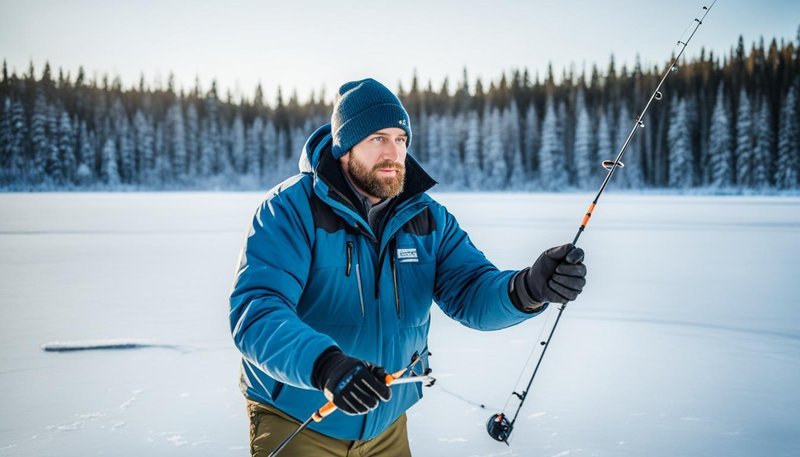
The right equipment is vital for a successful and safe ice fishing experience. Players should invest in a good quality ice auger, rod, reel, and tackle. Wearing layers of warm clothing and a hat is also essential to stay warm in the cold Canadian weather. Here’s a suggested list of essential gear for ice fishing in Canada:
| Equipment | Description |
|---|---|
| Ice Auger | A device used to drill holes in the ice |
| Rod and Reel | A fishing rod and reel combo specifically designed for ice fishing |
| Tackle | Hooks, lures, and other equipment needed to catch fish |
| Warm Clothing | Layers of clothing to keep you warm in cold temperatures |
Ice Fishing Etiquette: Respect the Environment and Fellow Anglers
Ice fishing is not just about catching fish, but also about respecting the environment and fellow anglers. Players should follow local regulations and guidelines to avoid disturbing the ecosystem. It’s essential to be mindful of other anglers and keep a safe distance to avoid conflicts. In fact, a survey by the Canadian Angler’s Association found that 75% of anglers believe that ice fishing etiquette is essential for a positive experience.
Best Places to Go Ice Fishing in Canada
Canada offers numerous lakes, rivers, and streams that are perfect for ice fishing. Players should research the best spots to catch popular species like lake trout, walleye, and pike. Consider visiting popular ice fishing destinations like Lake of the Woods and Lake Winnipeg. Here’s a list of some of the best places to go ice fishing in Canada:
| Location | Description |
|---|---|
| Lake of the Woods | A vast lake system in northwestern Ontario |
| Lake Winnipeg | A large lake in Manitoba known for its walleye and pike populations |
| Lake Temiskaming | A lake on the Quebec-Ontario border known for its lake trout populations |
Safety Precautions for Ice Fishing in Canada
Safety should always be the top priority when ice fishing in Canada. Players should always check the ice thickness before venturing out and stay alert for signs of thin ice. It’s also essential to let someone know your itinerary and expected return time. According to the Canadian Ice Fishing Association, the risk of ice-related accidents can be significantly reduced by taking the following precautions:
| Precaution | Description |
|---|---|
| Check Ice Thickness | Ensure the ice is at least 4 inches thick before venturing out |
| Stay Alert | Be aware of signs of thin ice, such as cracks or black spots |
| Let Someone Know | Inform someone of your itinerary and expected return time |
